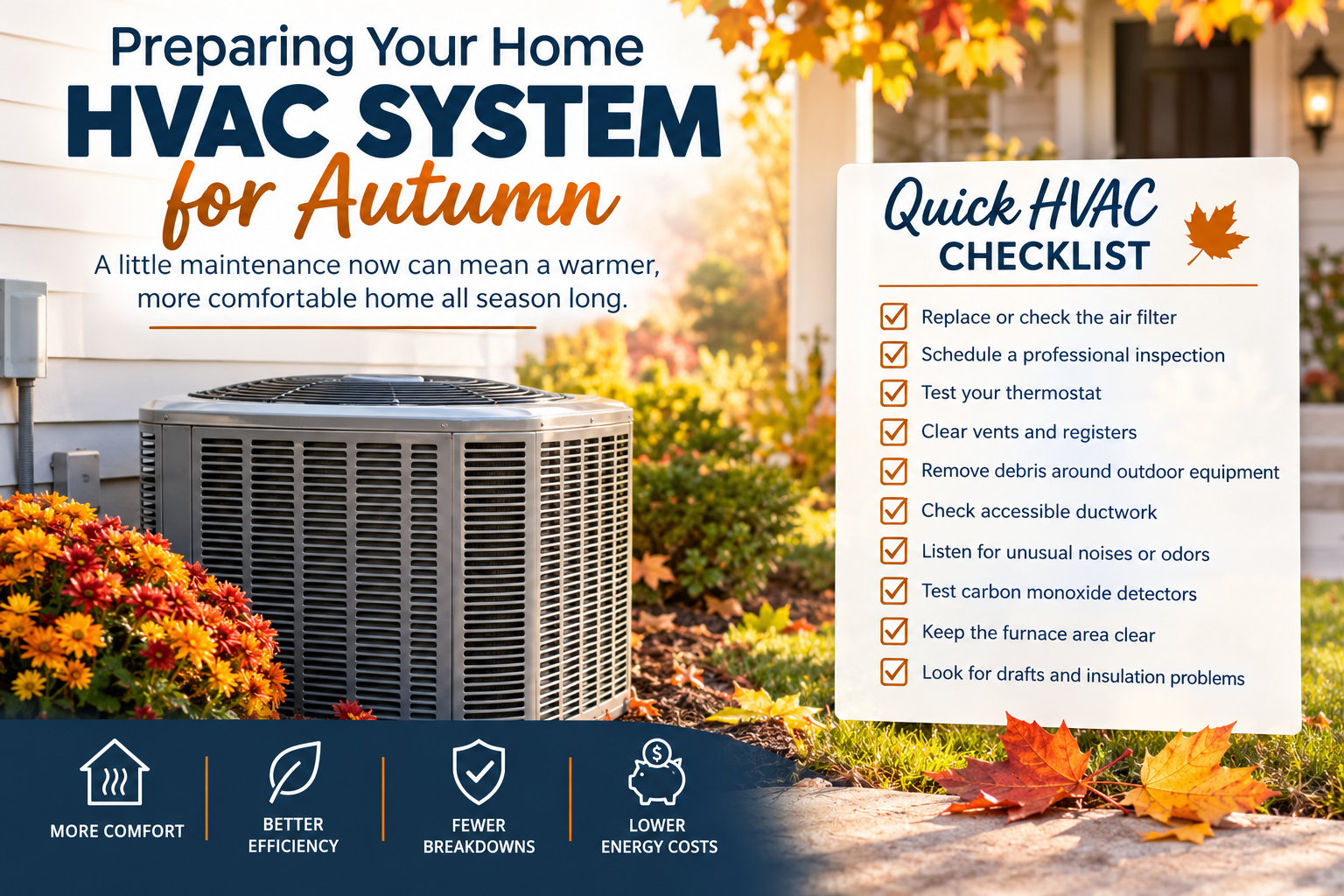
Protecting your HVAC system from snow and ice in the winter is essential to maintain efficiency and avoid costly repairs. Here are some effective ways to keep your system safe:
- Elevate the Unit (if possible)
- If you have an outdoor heat pump or condenser unit, it’s ideal to install it a few inches above ground level. This keeps it out of direct contact with snow and ice buildup.
- Clear Snow and Ice Regularly
- After each snowfall, make it a habit to clear the area around your HVAC unit. Shovel away any snow from around the unit, but avoid using salt or chemicals that can corrode the equipment.
- Be cautious when removing ice buildup. Avoid using sharp tools that could damage the coils or fins; instead, consider warm water or a soft brush to gently remove the ice.
- Install a Protective Cover
- Use a protective cover designed specifically for HVAC systems to shield it from snow and ice when it’s not in use. However, be cautious with covers for systems that run year-round, like heat pumps, as they can trap moisture and restrict airflow.
- If your unit is a heat pump and must run during winter, consider installing a partial cover, like a top-only cover, to keep snow from piling on top while still allowing for ventilation.
- Clear the Drainage Path
- Ensure that water and melted snow can drain away from the HVAC unit. Blocked drainage can cause water to pool and freeze, potentially damaging the system. Keep gutters and downspouts clear and make sure there’s an adequate drainage path away from the unit.
- Invest in a Wind Barrier
- A fence or wind barrier around your outdoor unit can help shield it from snow and ice buildup. Position it at least 18 inches from the unit to allow for proper airflow.
- Perform Regular Inspections
- Inspect your unit regularly throughout the winter, especially after major storms. Look for any visible ice or snow buildup, and check for any signs of unusual noises or performance issues that might indicate freezing problems.
- Schedule a Professional Winter Check-Up
- Schedule a maintenance appointment with a qualified HVAC technician before winter. They can inspect the system for vulnerabilities, clean components, and check that your unit is ready to handle cold temperatures.
- Install a Backup Heat Source (for Heat Pump Owners)
- Heat pumps may struggle in extreme cold, especially if they become covered with ice. Installing a secondary heat source, like electric heat strips or a furnace, can provide extra warmth and reduce reliance on the heat pump during snowstorms.
By taking these steps, you can keep your HVAC system safe from winter weather damage, allowing it to run efficiently and helping you avoid unnecessary repairs or replacements.